


AMX®
Landfill Leachate Treatment
Powered by AMX®: Tackling Landfill Leachate with Innovation
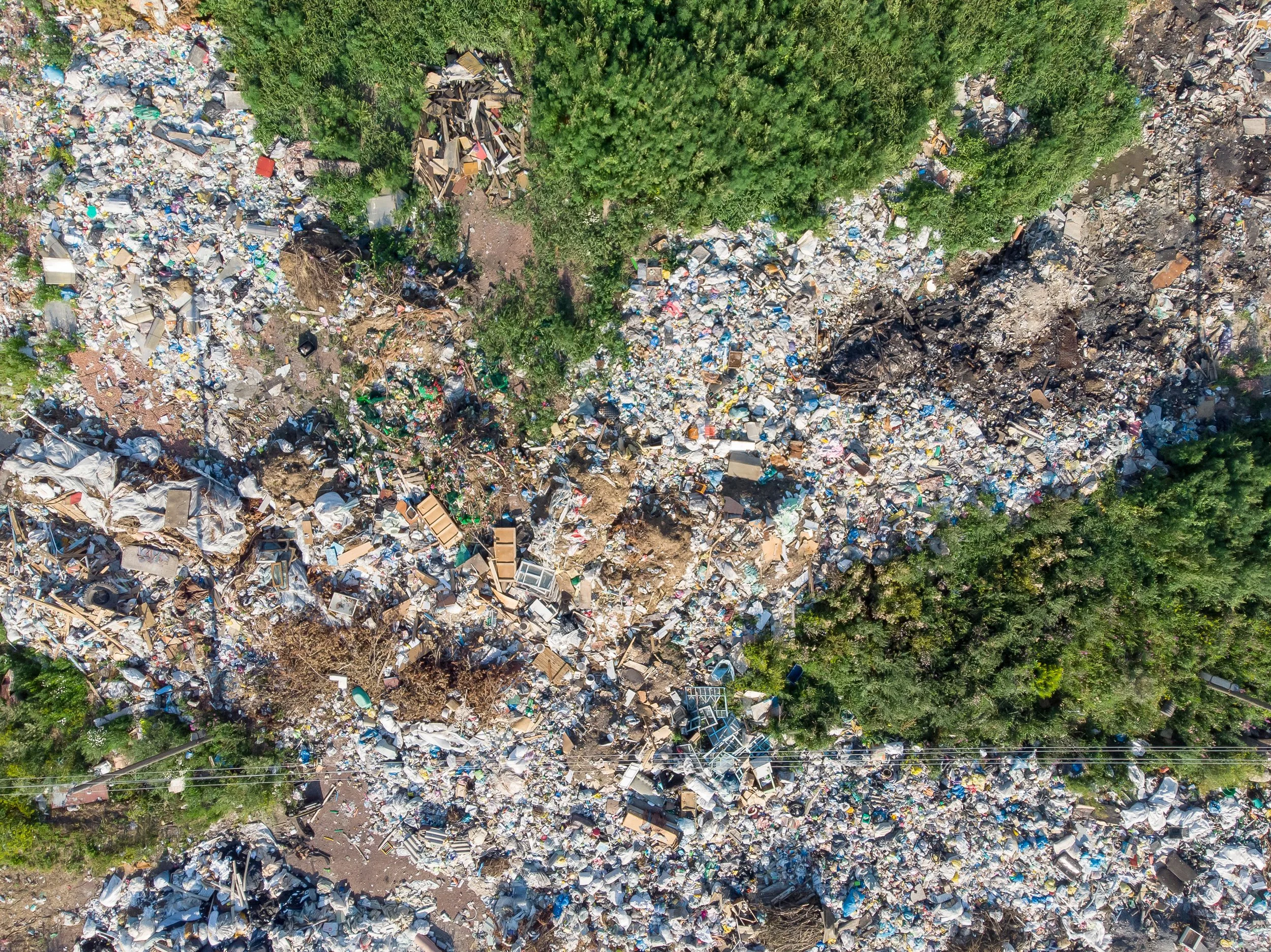
Landfill leachate is one of the most difficult wastewater to treat. As landfills age, the C/N ratio (carbon to nitrogen) in leachate decreases, with ammonia concentrations exceeding 1,600 mg/L, and organic carbon levels too low to support traditional denitrification processes. This makes conventional MLE (Modified Ludzack-Ettinger) processes energy intensive and costly一requiring large amounts of aeration and external carbon sources like methanol.
Nitrogen Removal for High-Strength Leachate
Incheon, South Korea
At Tomorrow Water, we’re redefining how high-strength landfill leachate is treated. Using our advanced AMX® Process—successfully piloted at Korea’s Sudokwon Landfill—we’ve demonstrated reliable nitrogen removal under extreme wastewater conditions, without the need for external carbon or excessive energy input.
Total Inorganic Nitrogen (TIN): 1,725 mg/L
Ammonium (NH4+-N): 1,662
C/N Ratio: 1.4
Salinity: 1.6%
Influent Characteristics
Tomorrow Water’s Solution
Installed as a pilot, the AMX® system went to work. Built on two-stage partial nitritation and Anammox principles, it offered a low-energy, carbon-free path to nitrogen removal. Even under high salinity condition (1.6%), it thrived.
Pilot Results
Despite challenging wastewater characteristics, the AMX® pilot delivered outstanding results:
Ammonia loading: 1,662 mg/L
Salinity: 1.6%
Total Inorganic Nitrogen removal: 91.1%
Effluent TIN: < 150 mg/L
Max nitrogen loading: 1.68 kgN/m°/dayCarbon savings: Eliminated methanol use
Energy savings: 5 billion KRW/year (~$3.5 million USD) potential
Key Takeaway
The Tomorrow Water AMX® pilot at the Sudokwon Landfill demonstrated exceptional performance in treating high-strength, low C/N ratio landfill leachate. It achieved over 91% total inorganic nitrogen (TIN) removal, consistently meeting strict effluent standards even with influent ammonia levels exceeding 1,600 mg/L. Compared to the traditional MLE process, the AMX® system reduced aeration energy by over 51%, eliminated the need for external carbon sources such as methanol, and cut sludge production by nearly 94%. Additionally, it proved highly adaptable to harsh wastewater conditions, operating reliably in high-salinity (up to 1.6%) and low-carbon environments without pretreatment or dilution.